Retylle Solyta Script: Capturing Vintage Charm
In a digital landscape often dominated by geometric sans serifs and ultra-clean interfaces, there is a growing hunger for designs that feel personal, textured, and timeless. If you are working on a project that needs to evoke a sense of history or authenticity, standard system fonts simply won’t cut it. You need a typeface with character. This is where the Retylle Solyta Script enters the conversation. It is more than just a collection of letters; it is a visual voice that speaks of elegance, craftsmanship, and a distinct retro aesthetic.
The Personality and Visual Appeal of Retylle Solyta
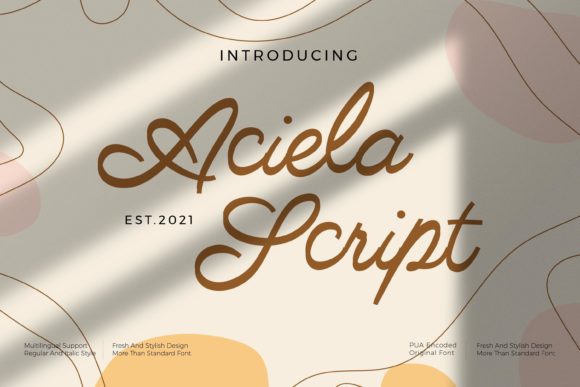
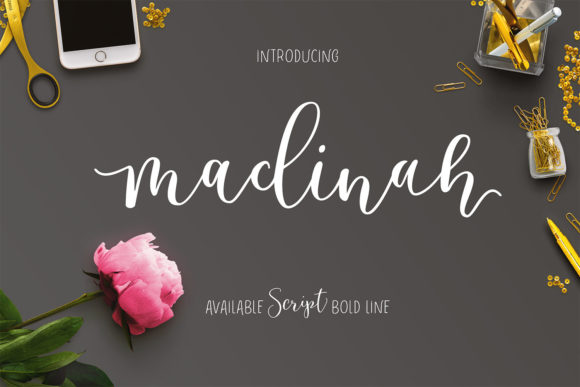
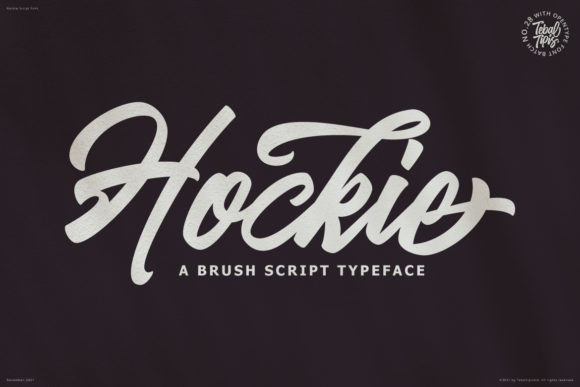
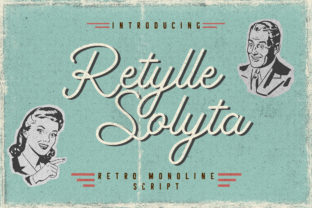
Understanding the anatomy of a font helps you use it effectively. Retylle Solyta Script is classified as a script font, but it carries a specific weight and flow that sets it apart from casual handwritten fonts. Visually, it mimics the fluidity of brush strokes or traditional calligraphy, yet it maintains a structured baseline that ensures stability in layout design. The letterforms often feature delicate swashes and ligatures—those connecting strokes that make cursive writing look natural.
The "retro feel" mentioned in its description comes from its nod to mid-20th-century sign painting and vintage advertisements. It doesn't look "old" in the sense of being outdated; rather, it looks "classic." The spacing and kerning are designed to create a rhythmic flow, making it an excellent choice for display font applications where the text needs to catch the eye immediately. It balances on the fine line between ornamental and functional, making it a versatile premium font for serious creative work.
Strategic Applications for Branding and Marketing
Choosing a typeface is a strategic business decision, not just an artistic one. The Retylle Solyta Script excels in environments where brand identity and emotional connection are paramount. For logo design, this typeface offers an instant personality transplant. A coffee roastery, a boutique clothing line, or a high-end barbershop can use this font to signal quality and tradition without saying a word. When used in a logo, it creates a stamp of authenticity that resonates with consumers looking for artisanal or boutique products.
Beyond logos, consider its impact on packaging design. On a shelf crowded with generic Arial or Helvetica labels, a product featuring Retylle Solyta Script stands out. It suggests that the product inside is special, perhaps handcrafted or curated. This visual cue is powerful in marketing. It applies to editorial design as well; magazine headers and chapter titles using this script can set a sophisticated mood, guiding the reader into a narrative before they read the first sentence of the body copy.
For digital creators, the applications are just as potent. Social media graphics often suffer from a lack of depth because they rely on overused free fonts. By incorporating this creative font into your Instagram stories, Pinterest pins, or YouTube thumbnails, you create a cohesive aesthetic that encourages audience engagement. It signals to your followers that you care about the details of your visual presentation.
Technical Mastery: Pairing and Readability
One of the most common mistakes in modern typography is using a decorative script for body text. While Retylle Solyta Script is beautiful, it is primarily a display font. Its intricate details make it perfect for headlines, but if you shrink it down to 10-point size for a paragraph, readability drops significantly. The loops and swashes can become muddy at small scales, frustrating the reader rather than delighting them.
To use this typeface effectively, you must master font pairing. Because Retylle Solyta is expressive and fluid, it pairs best with something grounded and neutral. A clean sans serif font is often the best companion. The simplicity of the sans serif acts as a blank canvas, allowing the script to shine without visual competition. Alternatively, pairing it with a sturdy serif font can amplify the vintage vibe, creating a layout that feels like a restored poster from the 1950s.
Evaluating the Fit for Your Project
Before committing to this commercial font, it is wise to evaluate how it aligns with your specific goals. Here is a practical checklist for assessing the fit:
- Target Audience: Does your audience appreciate vintage aesthetics? This font resonates strongly with demographics that value heritage, luxury, and artisanal quality.
- Medium: Are you designing for web design or print? While it works on screens, high-resolution printing often reveals the beautiful texture of the strokes, making it ideal for stationery and posters.
- Message Tone: Is your brand voice serious and corporate, or friendly and bespoke? Retylle Solyta leans heavily toward the latter.
Testing and Implementation
When you download design assets like Retylle Solyta Script, don't just drop it into your final layout immediately. Spend time testing it. Type out the alphabet to see how specific letter combinations interact. Look for "kerning pairs"—places where two letters sit too close or too far apart. Most premium fonts include OpenType features, such as alternate characters or stylistic sets. These features allow you to customize the look of specific letters to avoid repetition, which is crucial for maintaining a hand-lettered appearance.
Licensing is another critical consideration. If you are a small business owner or a freelancer, ensure you understand the terms of the commercial font license. Using a font for a client's logo requires a different license than using it for a personal hobby project. Always read the End User License Agreement (EULA) to ensure you are compliant, protecting both your business and your client.
Conclusion: Elevating Your Creative Toolkit
Ultimately, Retylle Solyta Script is a tool for transformation. It allows content creators, marketers, and designers to inject a sense of history and care into their work. Whether you are designing a wedding invitation, a coffee shop menu, or a landing page for a luxury product, this typeface provides the visual language needed to stand out. By understanding its strengths, respecting its technical requirements, and pairing it thoughtfully, you can leverage this font to create designs that are not only seen but felt.